The Power of Pausing
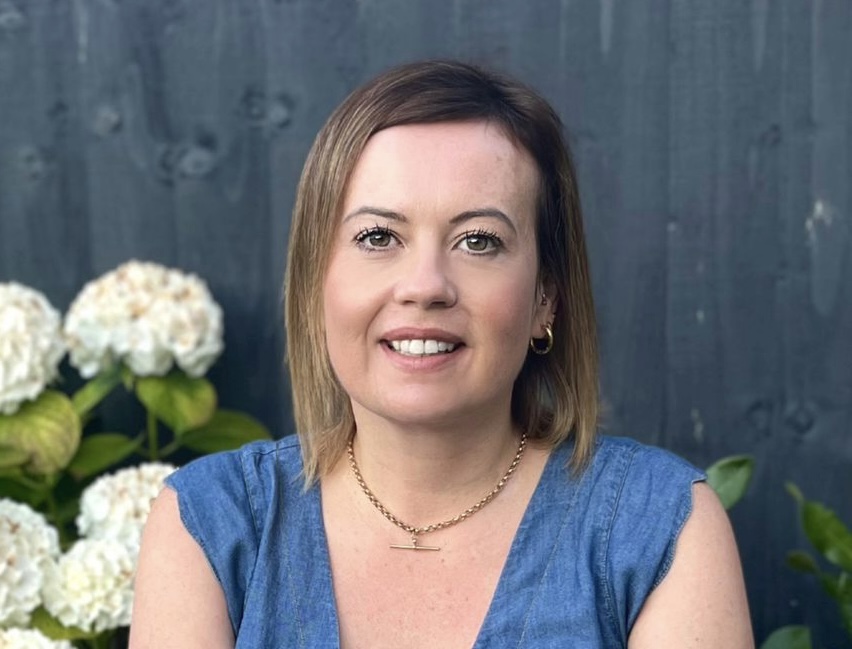
by Sophie (Psychotherapeutic Counsellor and Hypnotherapist)
Hi, I’m Sophie, a Psychotherapeutic Counsellor and Hypnotherapist. A concept I often discuss with clients across all walks of life is the power of taking a moment to simply pause.

In our hectic modern world, with constant notifications, messages and emails, it's easy to get caught in a 'hamster wheel' of thinking that everything needs an immediate action or response. However, if we think about this on a deeper level, how many things are really that urgent?
Have you ever found yourself reacting in a way that you later regretted? Perhaps you were overstimulated or frustrated and took it out on someone that did not cause the initial trigger. Taking time to pause and put yourself in a calmer frame of mind before responding could help you communicate in a way that better reflects who you are and what you want to achieve.
Perhaps you find yourself saying ‘yes’ automatically to avoid disappointing others when deep down you know you do not want to go to the event, or are too busy to help out. Taking a mindful pause before giving a default 'people pleasing' answer can help you check in with yourself and your schedule before committing. In this scenario, a pause could even be as simple as saying, "Can I get back to you on that?" Giving yourself the chance to make a choice that better reflects your own needs.
The ability to pause creates a small but significant space between what has happened and how we respond. In that time we give ourselves, we have the opportunity to reflect, recalibrate, and reconnect with what matters to us, rather than acting on autopilot.

When we do pause, we often find it easier to consciously respond and calmly communicate what we actually mean. Rather than being driven by our immediate emotions, habits, or assumptions, we create space to consider what we are feeling, what we need, and how we would like to move forward. Even a brief pause can help us become more grounded and able to be intentional with our words and choices.
Of course, when we are stressed, anxious, or overwhelmed, it can be easy to react from a place of habit or heightened emotion. A pause allows us to slow down enough to ask ourselves some important questions:
· How am I feeling right now?
· What do I need in this moment?
· What response would be most helpful for me and those around me?
· Can I, or do I even want to commit to this?
The pause does not need to be long or overly complicated, it just needs to be mindful. For example, perhaps taking a short walk before making a decision can help you gain clarity about what feels right for you. It might look like a few slow breaths or a cup of tea before replying to a message, or even setting your mobile to ‘do not disturb.’ Alternatively, simply giving yourself permission to say, "I'd like some time to think about that" can create valuable space for yourself.

Gradually, these small pauses can enable us to gain a greater understanding of ourselves and what truly matters to us. Rather than being driven by pressure, guilt, frustration, or expectation, we can begin responding in ways that are more aligned with our values and mental wellbeing. Indeed, many of my clients have discovered that creating small moments to pause is an important first step in emotional regulation and self-awareness. That in turn can lead to more confidence in decision-making, or the ability to set boundaries.
This week, I invite you to notice moments where you feel rushed to act, decide, or respond. Ask yourself:This is a placeholder paragraph. Replace this text with your own content.
"Do I need to react immediately, or can I give myself a moment to pause?"
Then reflect on how that pause influenced your thoughts, feelings, or decision.
You may be surprised by what that small moment of space can provide. After all, positive changes in our mental health rarely happen overnight. More often, they develop gradually through small, consistent choices that, over time, make a significant difference.


Comments